Is Home Staging
Really Worth It?
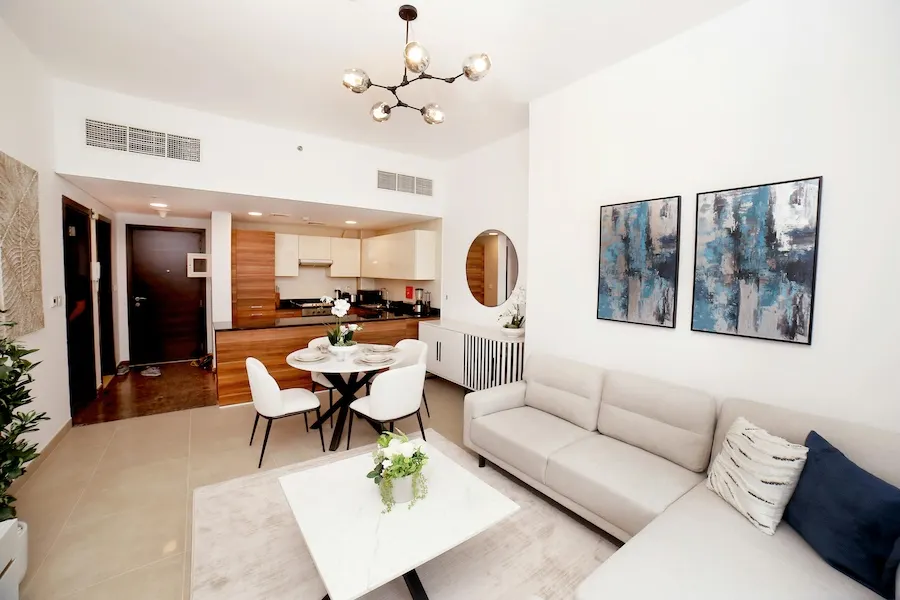
The "HGTV Effect"
In today's market, the first showing happens on a screen. This "HGTV effect" is a powerful force: 48% of agents report that buyers expect homes to look like they were staged for TV, while 58% feel immediate disappointment when a property fails to meet this visual standard.
Data consistently shows staging is the solution, with 83% of buyers' agents confirming it helps buyers visualize a space as their future home. However, as costs for traditional staging soar, digital alternatives are offering a budget-friendly paradigm shift.

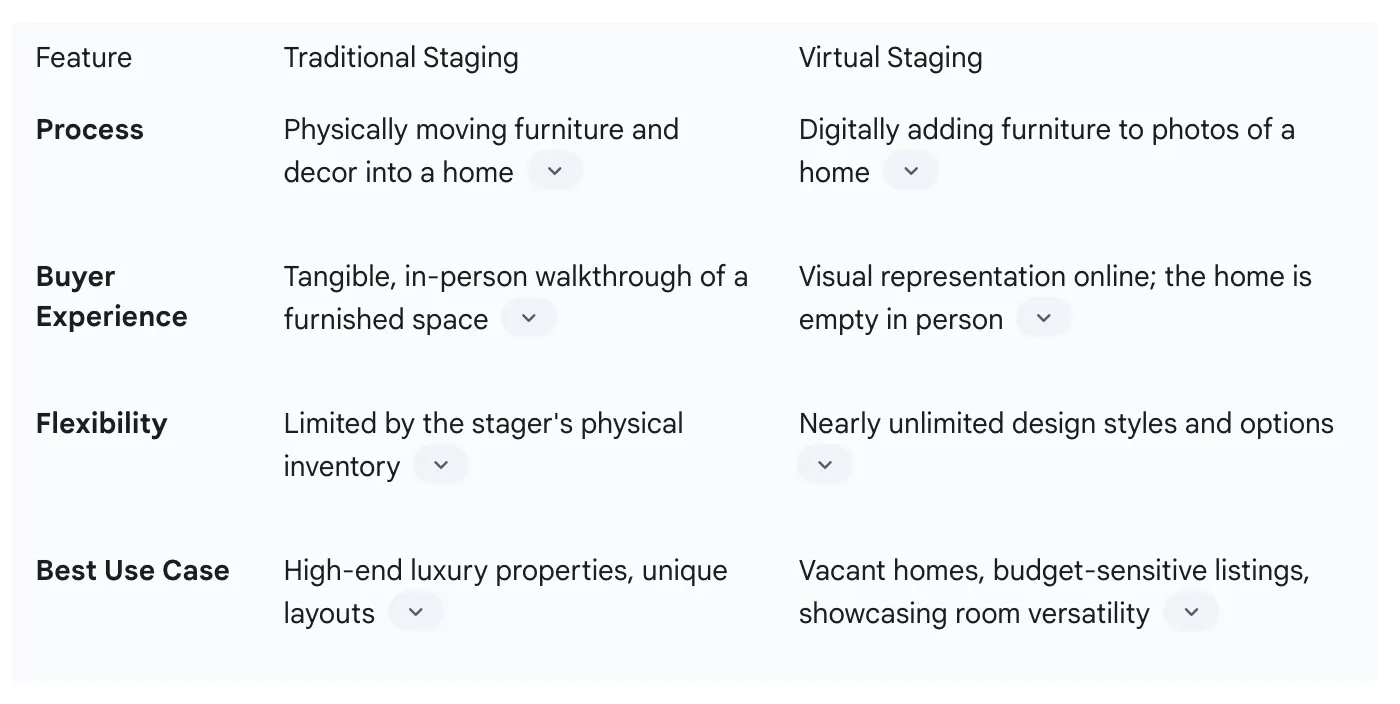
Physical vs. Digital
Traditional Staging is a tangible, logistical process using rented furniture for in-person tours. Virtual Staging is a technology-driven tool where AI digitally adds decor to high-res photos. It is significantly more affordable—often over 90% cheaper than physical execution.
The Financial Landscape
Professional staging costs have surged from $400 in 2019 to $1,500 in 2026. Meanwhile, virtual staging remains scalable at $19–$99 per photo. This disparity creates a massive gap in ROI: Traditional staging yields 102%–909%, while Virtual staging delivers 500%–3,650%.
- /Higher Sale PriceStaged homes can sell for up to 15% more than vacant listings.
- /VelocityVirtual staging reduces days on market by 73% (from 90 days to 24).
- /Waning EfficiencyAgents reporting that physical staging "greatly decreases" time on market fell from 39% to 19%.
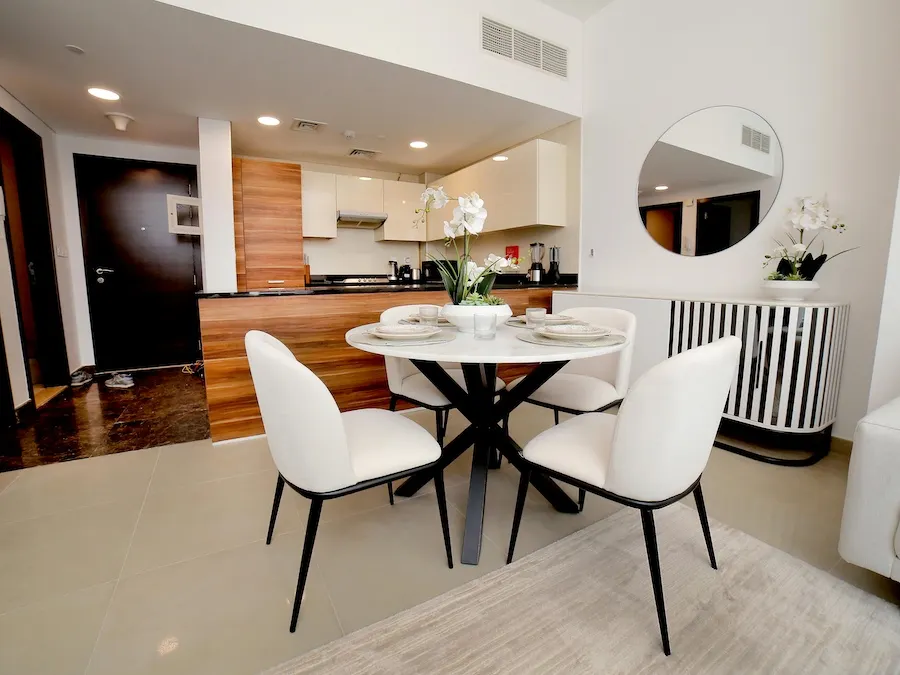
Psychology & Ethics
The advantage of physical staging is tangibility, especially in luxury markets. The challenge of virtual staging is the "Digital Disconnect" when a buyer enters an empty room. The solution is absolute transparency—always disclose digital enhancements with a "Virtually Staged" watermark to maintain trust.