How Many Photos Should
a Real Estate Listing Have?
In digital real estate marketing, the line between informative media and cognitive fatigue is remarkably thin. For years, real estate agents assumed a simple rule of thumb: maximize the MLS upload limit. If the platform allowed 50 slots, they filled all 50 slots.
However, consumer behavioral data tells a far more nuanced story. Digital buyers move through listings at an accelerating pace. Unnecessary, redundant imagery—such as four near-identical angles of an empty guest room—does not drive engagement. Instead, it creates visual friction, leading to rapid drop-offs. Optimizing your asset pipeline requires finding the exact inflection point where conversion peaks before diminishing returns set in.
The Volume Paradox: More Isn’t Always Better
The assumption that a higher volume of media automatically correlates to an increased perceived property value is flawed. When a buyer scrolls a listing platform, they seek to construct a coherent mental map of the asset's flow, spatial proportions, and architectural orientation.
When a media package over-indexes on utility close-ups or repetitive structural angles, the narrative rhythm stalls. The buyer loses their spatial bearing, gets bored, and moves on. A highly curated, high-impact selection of hero frames will outperform a bloated folder of unguided snapshots every single time.
The Data-Backed Sweet Spot for Maximum Engagement
Industry tracking studies analyzing average days-on-market (DOM) relative to photo counts consistently pinpoint an optimal performance bell curve.
For standard single-family residential properties, listings containing 22 to 28 high-fidelity photographs secure the highest online click-through retention rates and lead generation metrics. Listings dropping below 15 images signal a lack of transparency, prompting buyer skepticism. Conversely, packages exceeding 40 images frequently suffer from severe viewer fatigue, with user attention plummeting by over 60% after the 30th consecutive frame.
The Anatomy of a Perfect 25-Photo Manifest
To execute this optimal structure cleanly, photographers and agencies should utilize a strict architectural distribution matrix:
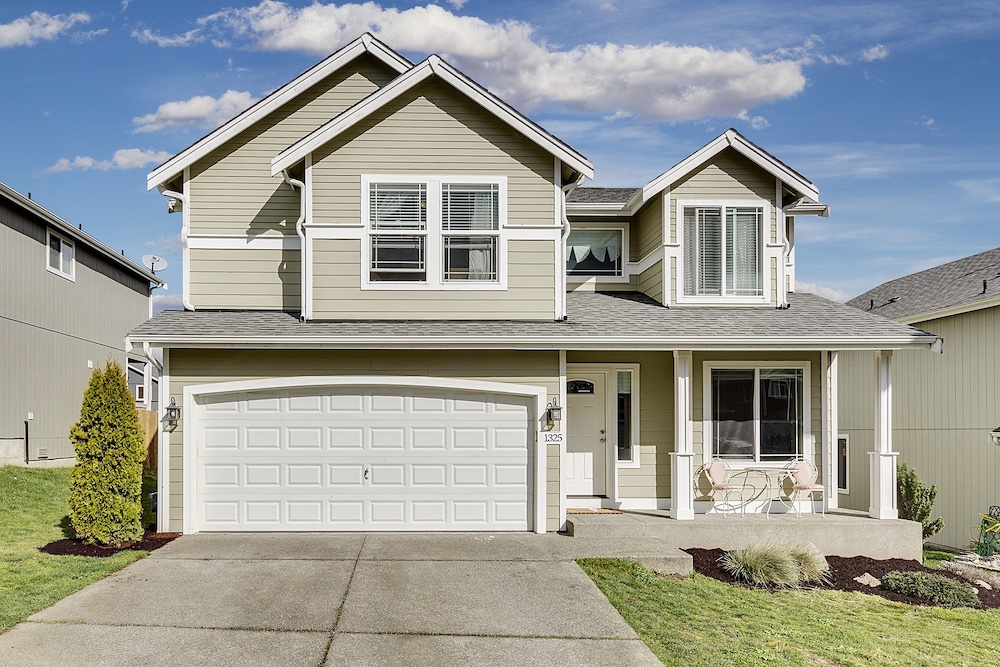
- /The Exterior Horizon (3–4 Frames)An initial broad wide shot capturing curb appeal, a tight architectural entry focus, and 1 or 2 rear twilight or afternoon shots.
- /The Primary Living Spaces (6–8 Frames)Generous, corner-anchored wide exposures detailing the main living area, formal dining setups, and transition hallways.
- /The Culinary Hub (4–5 Frames)A global wide perspective of the kitchen layout, paired with specialized medium shots focusing on island lines and premium textures.
- /The Private Retreats (4–5 Frames)Two clean, spacious angles of the primary bedroom, plus single crisp exposures of auxiliary guest rooms.
- /The Utilitarian Luxuries (3–4 Frames)Wide-lens structural overviews of primary baths, emphasizing stone work and pristine light balance.
The Operational Friction of Quality at Scale
While delivering a targeted set of 25 premium frames sounds straightforward, the behind-the-scenes math gets complex for high-volume media companies. To finish with 25 pristine, magazine-ready outputs, you often have to capture anywhere from 75 to 125 raw brackets on-site to account for different lighting options.
Sorting through these large sets, manually grouping brackets, and blending exposures can easily stall your business velocity. This is exactly where Stager AI transforms your workflow. Instead of spending hours managing file sets, you can drop the entire raw folder into the cloud engine.
The system automatically identifies the bracket sets, merges them into natural tone-mapped images, corrects your vertical lines, and pulls window exposures instantly. This allows you to easily batch-process large volumes, select the best 25 hero images, and deliver them to your client in minutes.
The Property Bracket Tier System
Vary your delivery volumes dynamically based on the scale and market class of the real estate listing:
| Asset Category | Recommended Count | Core Narrative Focus |
|---|---|---|
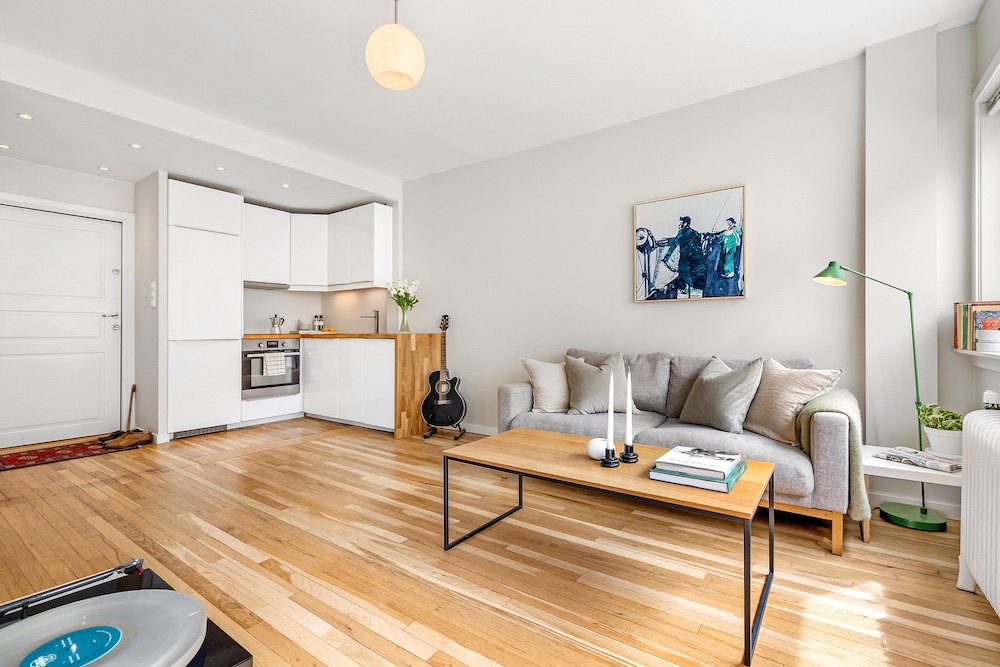
| Urban Apartments / Condos | 15 to 20 Photos | Efficient layout flow, balcony vistas, shared luxury amenities |
| Standard Suburban Homes | 22 to 28 Photos | Indoor/outdoor transitions, kitchen hub, primary suites |
| Luxury Estates (> 4,000 sq ft) | 35 to 50 Photos | Architectural finish close-ups, guest wings, extensive landscape landscaping |