Why Your HDR Real Estate Photos
Look Fake (And How to Fix It)
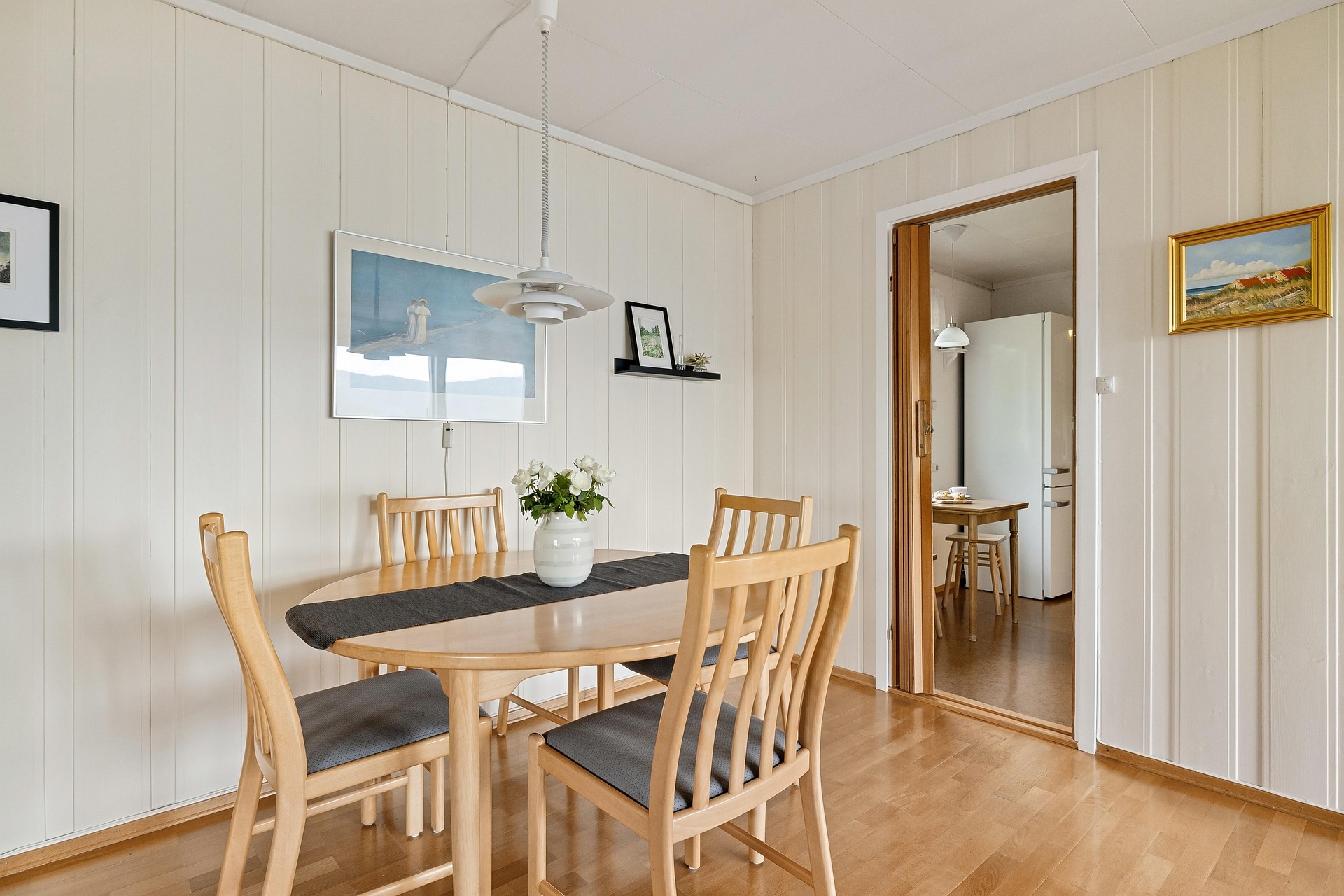
Every real estate professional knows the aesthetic: flat, crunchy textures, eerie gray halos outlining window frames, and ceilings glowing with radioactive orange color casts. It is the signature mark of a badly processed HDR merge—often called the "over-cooked" look.
While bracket exposure blending is necessary to handle high-contrast interiors, the automated tools that photographers rely on often overcompensate. The result is a loss of photographic realism. Buyers look past the house and focus solely on the unnatural editing. To elevate your work, you must identify where traditional tone mapping fails and apply strict, deliberate restraint.
The Grunge Epidemic: Diagnosing Bad Tone Mapping
The root cause of a fake-looking HDR photo isn't the exposure brackets themselves; it is a mathematical failure in global tone mapping. When a processing application tries to squish a massive range of highlights and dark shadows into a standard 8-bit image display, it loses micro-contrast boundaries.
To salvage clarity, standard software automatically dials up local contrast edges. This heavy-handed correction creates an artificial texture profile where soft drywall looks like rough concrete, matte finishes look metallic, and the depth of the property completely collapses into a single flat plane.
The Three Mistakes That Destroy Photographic Realism
Achieving an elite architectural presentation means recognizing and eliminating three specific editing errors:
1. The High-Contrast Border Glow
Look closely at where a dark wall meets a bright daylight window pane. If a rudimentary algorithm handles the blend, it leaves an unnatural white or gray outline around the frame. This halo occurs because the local filter cannot distinguish between structural borders and lighting shifts, blending pixels across the boundary incorrectly.
2. Total Shadow Death
Shadows are not errors; they are structural anchors. Shadows give a room depth and three-dimensional form. When an HDR tool brightens corners, under-furniture gaps, and recessed ceilings to match the center of the room, it destroys the natural falloff of light. The image loses its atmospheric gravity.
3. Hyper-Saturated Transitions
Forcing extreme dynamic ranges into a single frame artificially shifts color channels. Wooden floors suddenly glow neon amber, and green lawn colors outdoors bleed into interior window borders.
The Science of Light Contamination
Real architectural photography must navigate multiple light sources with completely different color temperatures. Daylight registers as a cool blue (~5500K), while interior fixtures lean toward a deep orange tungsten (~2700K).
- /Global White Balance Failure:Standard exposure blenders apply a single color profile across the entire image grid. Fixing the orange interior turns the windows a harsh, radioactive blue. Correcting the exterior view shifts your indoor walls to a muddy yellow.
- /The Architectural Fix:Professional presentation demands local white balance masking. This separates daylight windows from interior ambient environments, neutralizing overlapping color contamination cleanly.
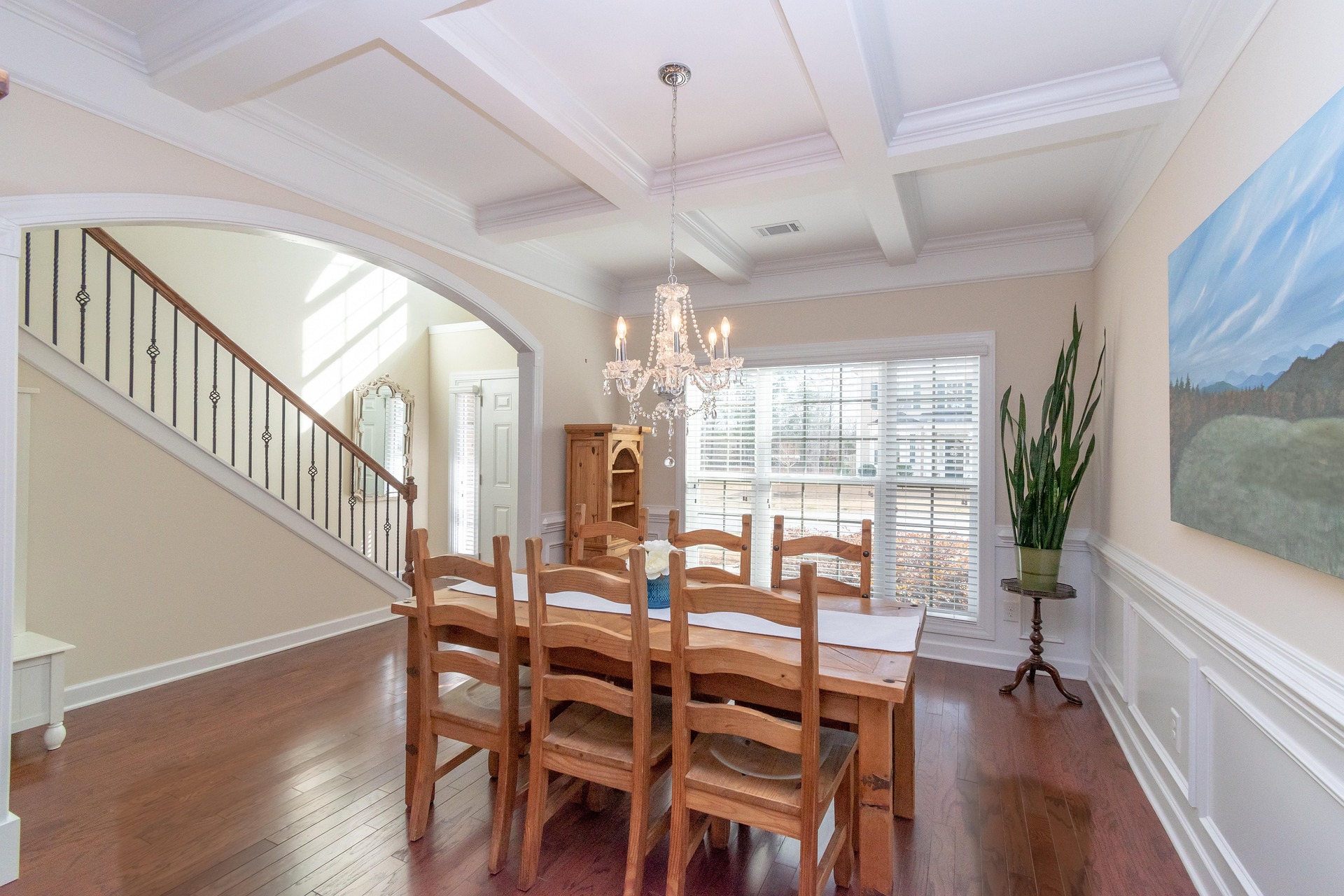
Algorithmic Restraint: The Solution for Editorial Output
To fix the fake HDR look without adding hours of manual brush retouching to your night workflow, you must select systems built with algorithmic restraint.
Instead of utilizing aggressive tone-mapping scripts, Stager AI approaches exposure blending with subtle staging and realistic, balanced luminance profiles. It isolates the high-frequency edge channels, ensuring window frames retain their sharp transitions without generating gray halos.
By mimicking the workflow of high-end manual editors, its model retains natural lighting falloff, keeps shadow structures deep and grounding, and preserves localized color fidelity. This delivers the look and feel of an expert manual blend automatically in just a few seconds.
The Realism Benchmark Check
Audit your current photography portfolio against this benchmark checklist to ensure your work looks organic and high-end:
| Aesthetic Point | The Over-Cooked Tell | The Professional Baseline |
|---|---|---|
| Recessed Ceiling Lighting | Bright orange burns bleed across the drywall | Desaturated, natural lighting transitions |
| Window Edge Borders | Noticeable gray or white border glows | Perfect, razor-sharp edge contrast |
| Shadow Depth | Corners are artificially bright and flat | Gradual, soft contrast drops that add dimension |
| View Outdoors | Washed-out skies or highly saturated greens | Accurate, realistic lighting balance |