Window Pull, Color Cast,
and Lens Correction
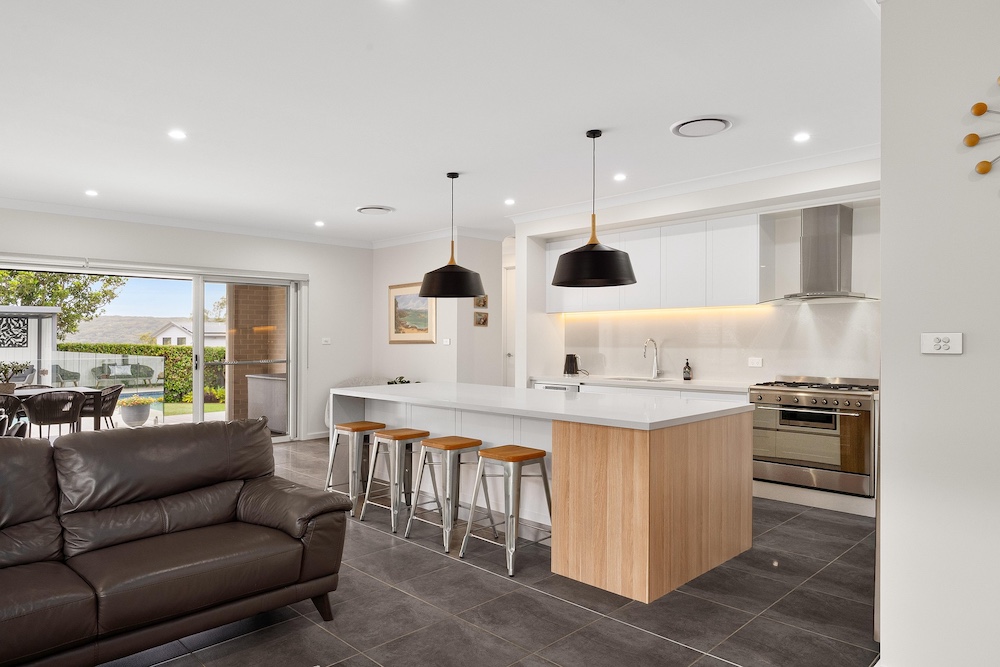
To those outside the media sector, real estate photo editing looks like a single-click merge process. Photographers know better. The actual merge is only the entry point into a multi-tiered pipeline of micro-labor—the precise, tedious corrections required to make a property look structurally sound and visually pristine.
The true hours disappear in the micro-adjustments. Painting intricate masks around window frames, desaturating unnatural orange floor reflections, and fixing wide-angle barrel lens warping are tasks that devour post-production schedules. Shifting this spatial workload to localized machine learning engines completely redefines delivery velocity.
The Micro-Labor Tax: Where Retouching Speeds Stall
When evaluating processing efficiency, time sinks rarely stem from high-level stylistic choices. They are driven by corrective repairs. A standard bracket merge simply squishes exposure layers together, typically flattening contrast or accentuating ambient flaws.
As a result, an editor must handle multiple localized corrections frame-by-frame. When multiplied across a 35-photo listing, these small five-minute adjustments compound into an exhausting multi-hour production queue, capping how many listings a studio can realistically book in a single week.
Window Pulls: Bypassing the Manual Masking Assembly Line
The window pull is arguably the most repetitive task in real estate photography. It requires extracting a clean, correctly exposed view from a dark flash or ambient exposure and blending it seamlessly into an overexposed window frame.
In manual editing environments, this means using a stylus or magnetic selection tool to trace around window panelling, mullions, and sheer curtains. Modern AI models bypass this by utilizing advanced semantic segmentations. The neural network instantly isolates window geometry down to the single-pixel level. It executes an immediate localized blend from your dark brackets, maintaining realistic exterior saturation and eliminating high-contrast border glows or gray fringing completely.
Color-Cast Contamination: Neutralizing Mixed Lighting Tints
Interiors are rarely lit by a single unified light source. They are battlegrounds of clashing color temperatures. Warm tungsten overhead fixtures splash orange pools across hardwood floors and white walls, while blue daylight floods in from exterior windows.
- /The Traditional Overhead:Manual correction requires painting color-balance brush masks over affected walls, ceilings, and trim to pull out the muddy orange hues without accidentally desaturating elements that should contain native color.
- /The Algorithmic Extraction:AI systems evaluate the entire image grid to establish what the surfaces *should* look like under neutral lighting. It selectively lifts color contamination out of white balancing zones, ensuring plaster ceilings and trims stay clean and bright.
Lens Correction: Restoring Architectural Grid Integrity
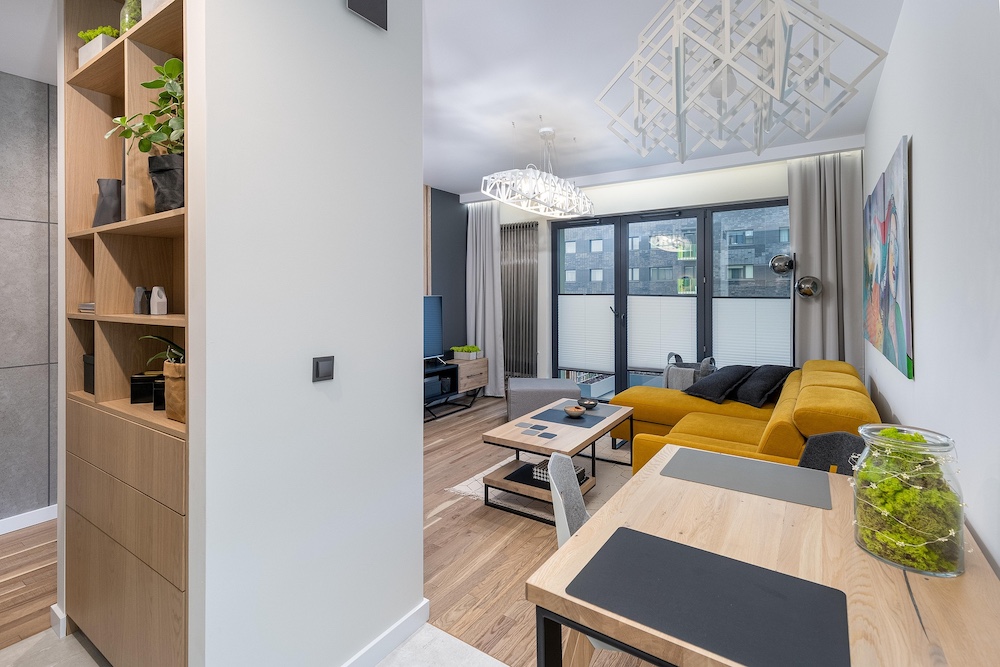
Wide-angle glass is mandatory for capturing tighter rooms, but it introduces geometric warping. Walls lean inwards, door frames bow outwards, and lines bend away from the center of the frame. In professional real estate media, leaning verticals look careless. They break the feeling of physical stability.
Rather than relying on manual perspective grids or eyeball-guided sliders in Lightroom, cloud-native engines like Stager AI perform automated coordinate analysis. By identifying structural vertical and horizontal edges, the model applies geometric adjustments instantly. Walls straighten, horizons level out, and the property returns to a precise, magazine-ready layout style automatically.
The Automation Spectrum
Let’s map out exactly how much manual overhead is eliminated when shifting technical core corrections to a real-estate-native AI infrastructure:
| Technical Challenge | Traditional Manual Fix | Stager AI Cloud Action |
|---|---|---|
| Window Pull Blending | Pen tool selections and luminosity brush layering | Instant semantic masking and natural multi-exposure layer blending |
| Mixed-Light Neutralization | Manual localized tint desaturation paint strokes | Automated surface color balancing across conflicting light sources |
| Vertical Straightening | Manual transform slider adjustments per frame | Algorithmic coordinate alignment of all structural borders |
| Ghosting & Artifacts | Cloning tool repairs on areas with movement between frames | Single-frame anchor pixel tracking for wind and movement regions |