On this page
Every listing has rooms that sell themselves and rooms that hold it back: a bedroom full of the seller's boxes, an empty living room that feels smaller than it is, a home office nobody can picture. For each one, there are three choices. Knowing when to declutter or stage real estate photos, and when to leave a room empty, makes the whole gallery stronger.
This guide is for agents deciding what to ask for, and for photographers advising them. It covers what each option does, a room-by-room decision table and how to present edited photos honestly.
The three options
| Option | What it does | Best for |
|---|---|---|
| Decluttering | Removes all furniture and objects, or keeps what you ask for | Rooms where the seller's things hide the space |
| Virtual staging | Adds complete furniture and decor in one of 11 styles, for 19 room types | Empty rooms, or rooms after decluttering |
| Subtle staging | Refreshes decor and small items, keeps the main furniture | Furnished, lived-in rooms that need a lighter touch |
There's a fourth option that costs nothing: show the room exactly as it is. That's often the right call for kitchens and bathrooms, where buyers want to see the real finishes.
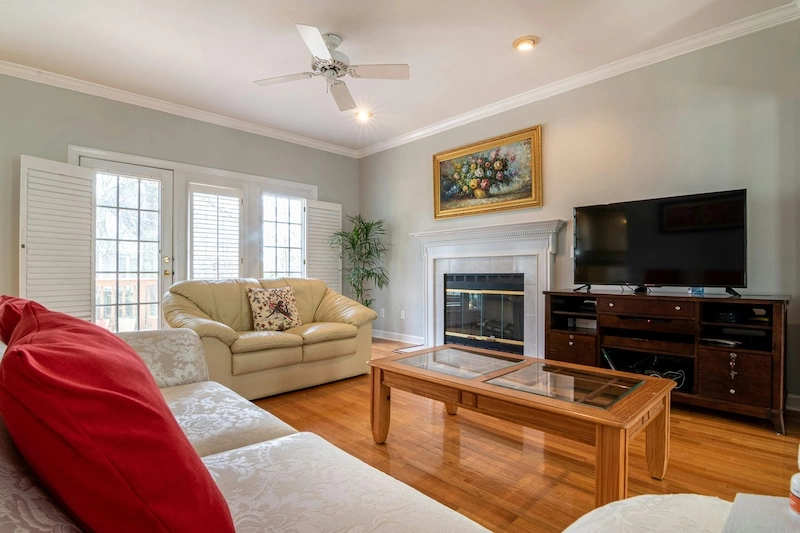
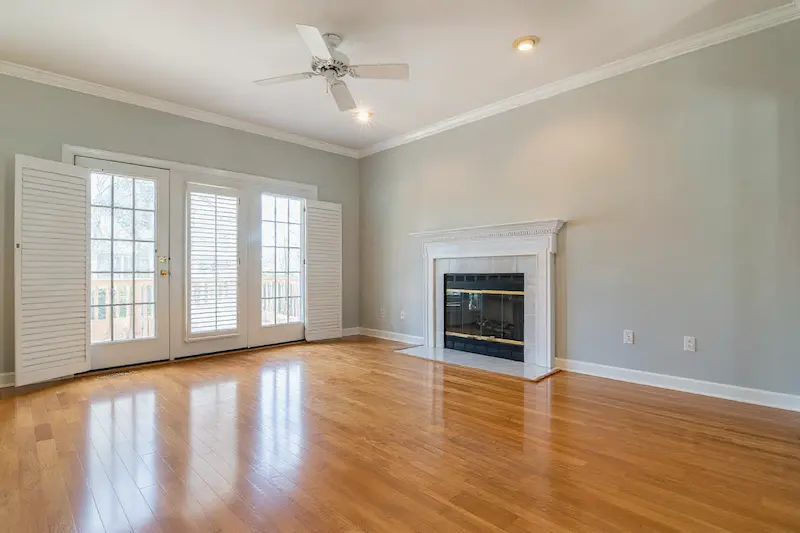
Declutter or stage: a room-by-room guide
| Room | Usually best | Why |
|---|---|---|
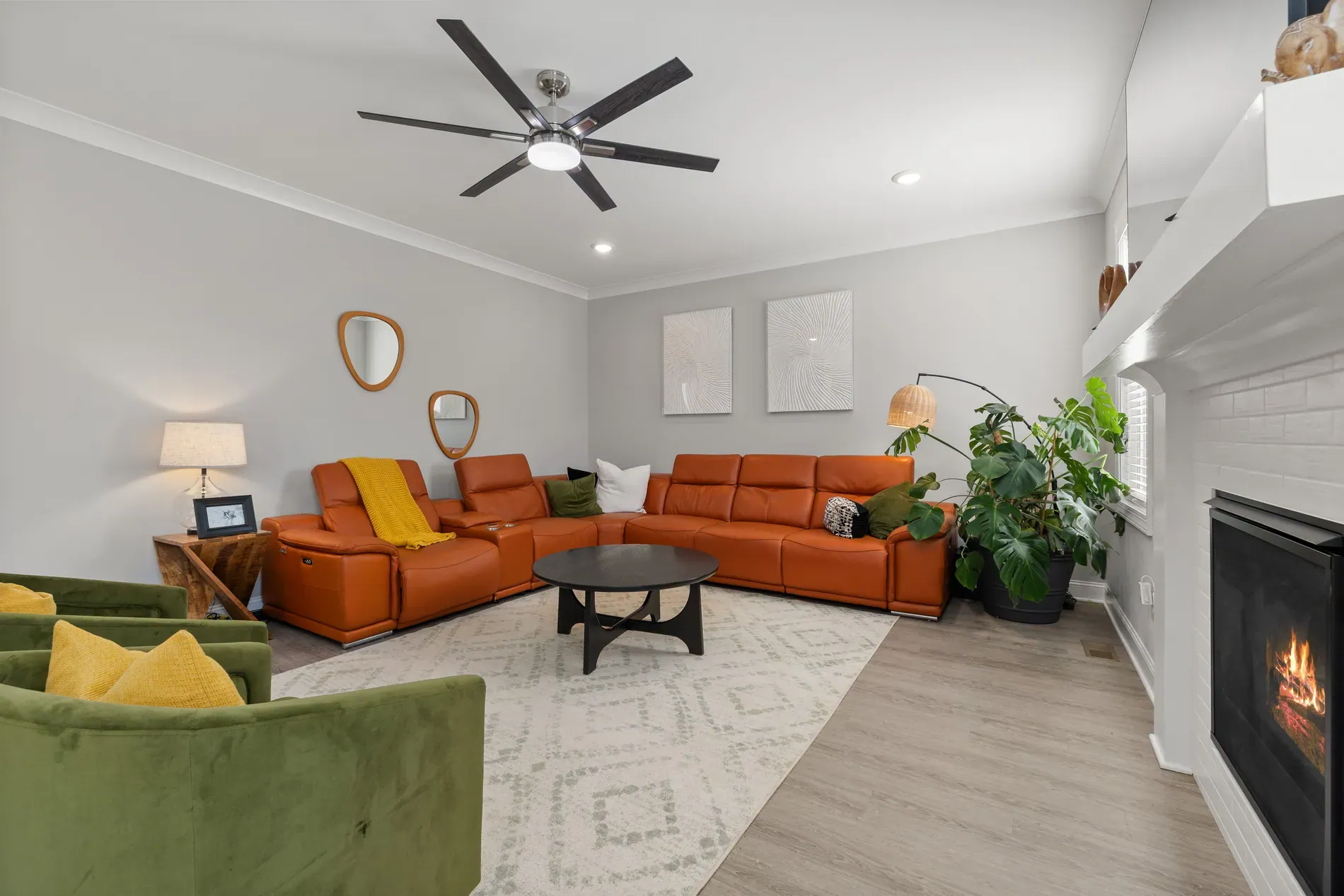
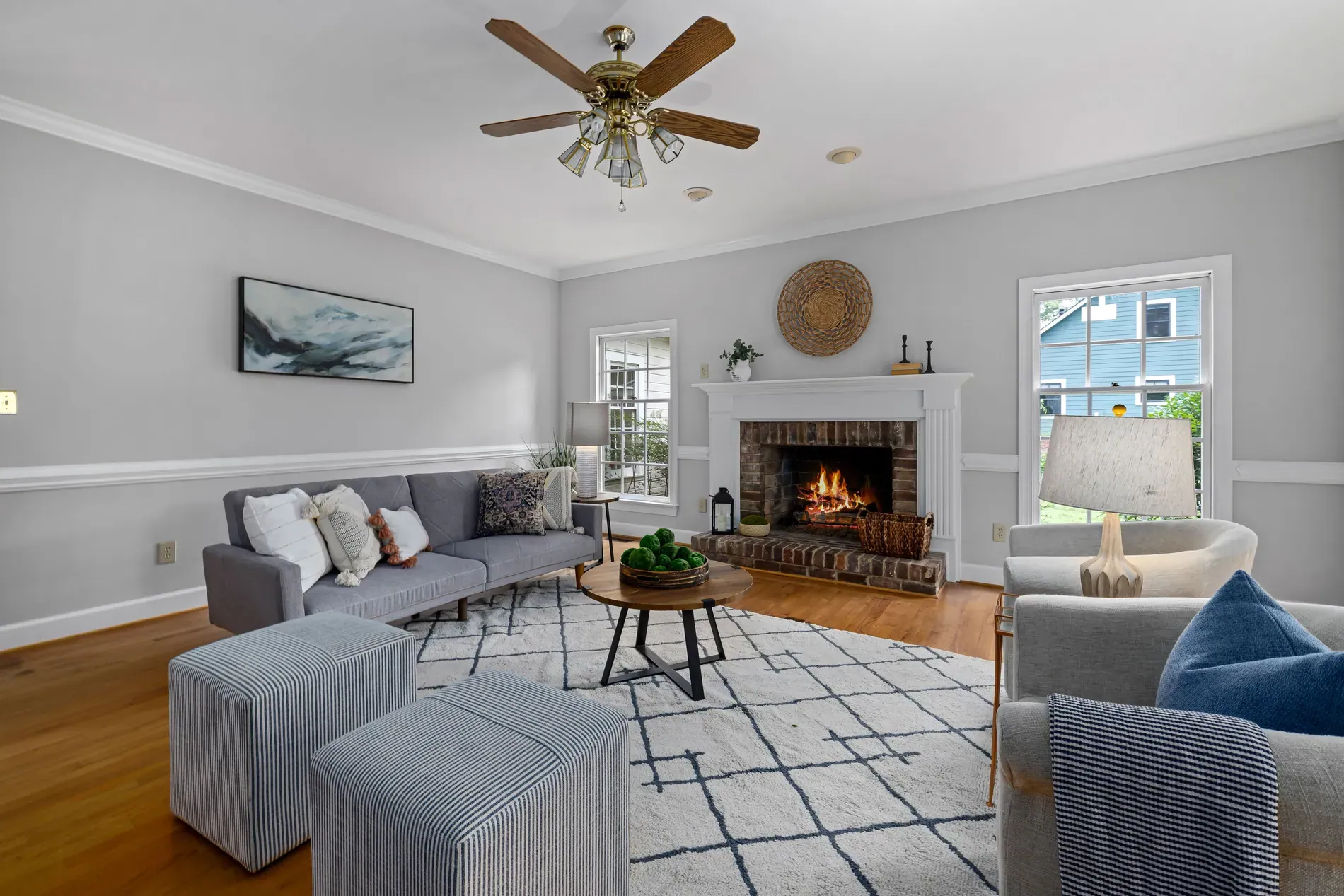
| Living room | Stage if empty; declutter or subtle staging if furnished | It's the room buyers imagine themselves in |
| Primary bedroom | Stage if empty | A bed shows scale and that a large bed fits |
| Small bedroom | Stage | Empty, small rooms look smaller; furniture proves what fits |
| Kitchen | Show as it is, with counters cleared | Buyers want the real cabinets, appliances and finishes |
| Bathroom | Show as it is | There's little to stage; cleanliness and fixtures matter |
| Home office or spare room | Stage | It turns an unclear space into a clear use |
| Terrace or garden | Stage lightly, or show as it is | A table and chairs show how the space is used |
When to declutter
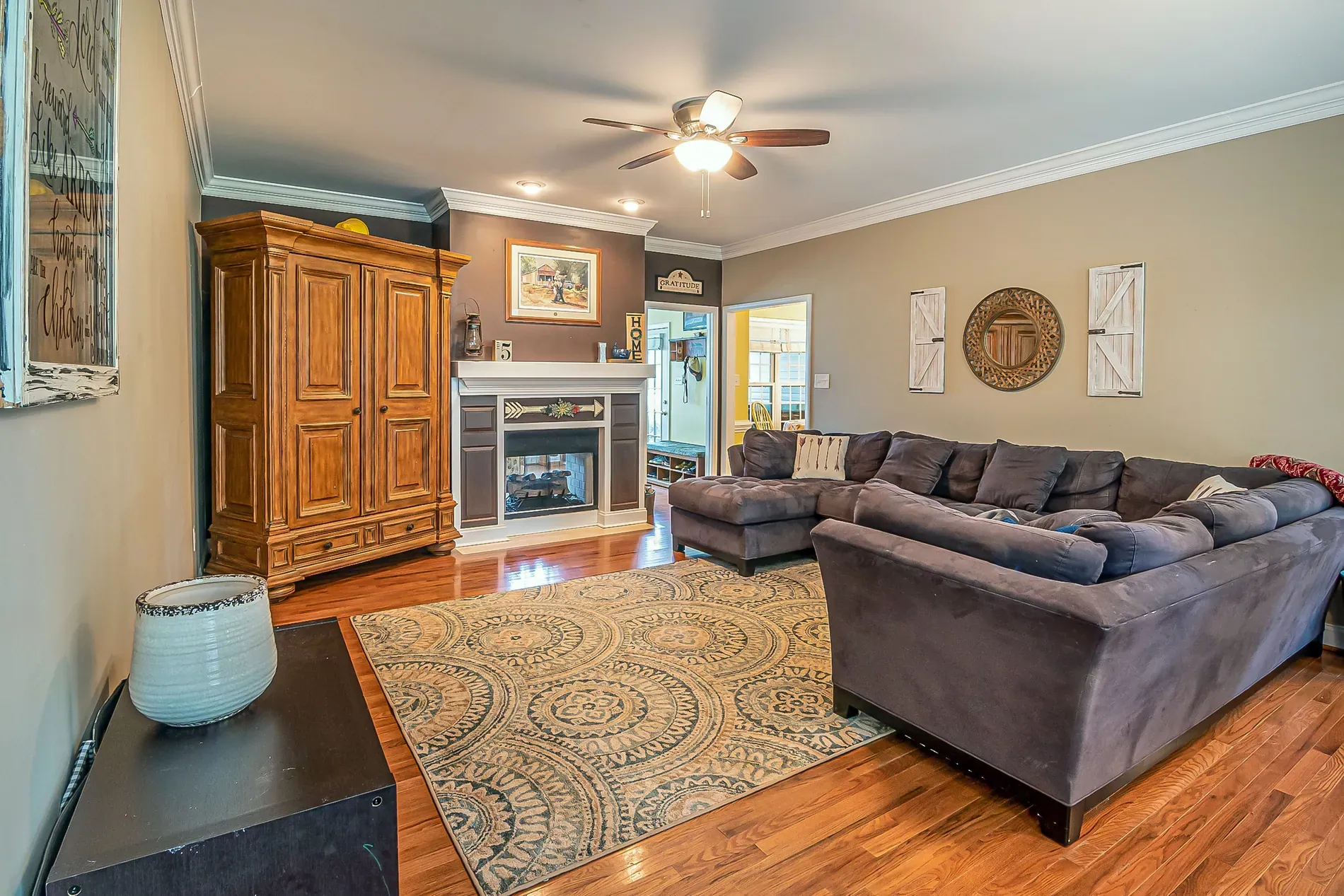
Declutter when the seller's furniture, boxes and personal items hide how big and bright the room is, or when the style of the furniture works against the listing. Decluttering removes everything by default; you can ask to keep items, such as the TV or the rug. After that, show the room empty or stage it again in a style that suits the buyers you want.
When to stage
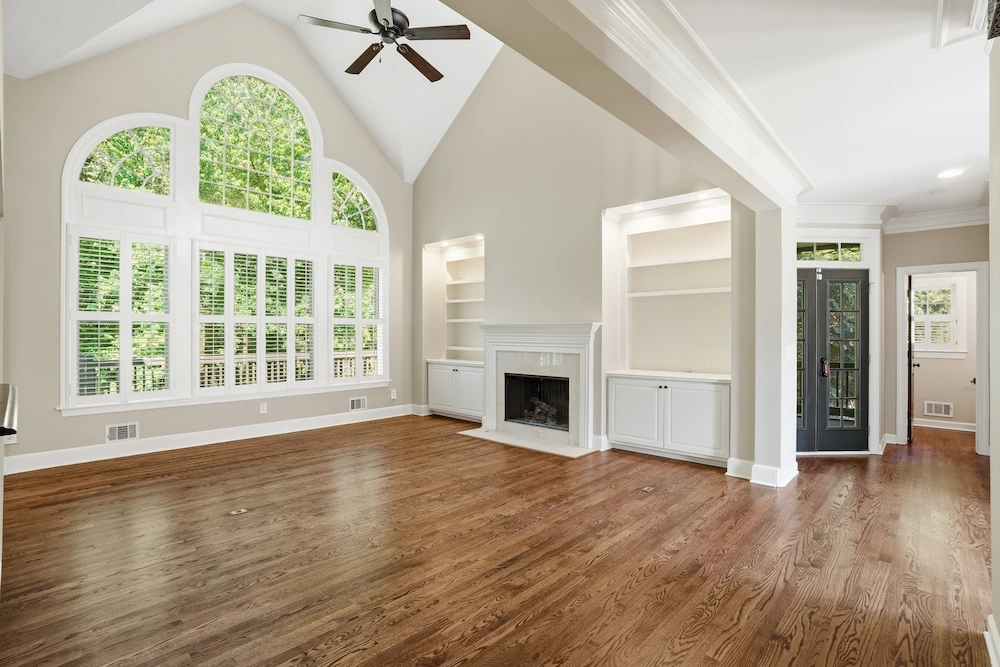
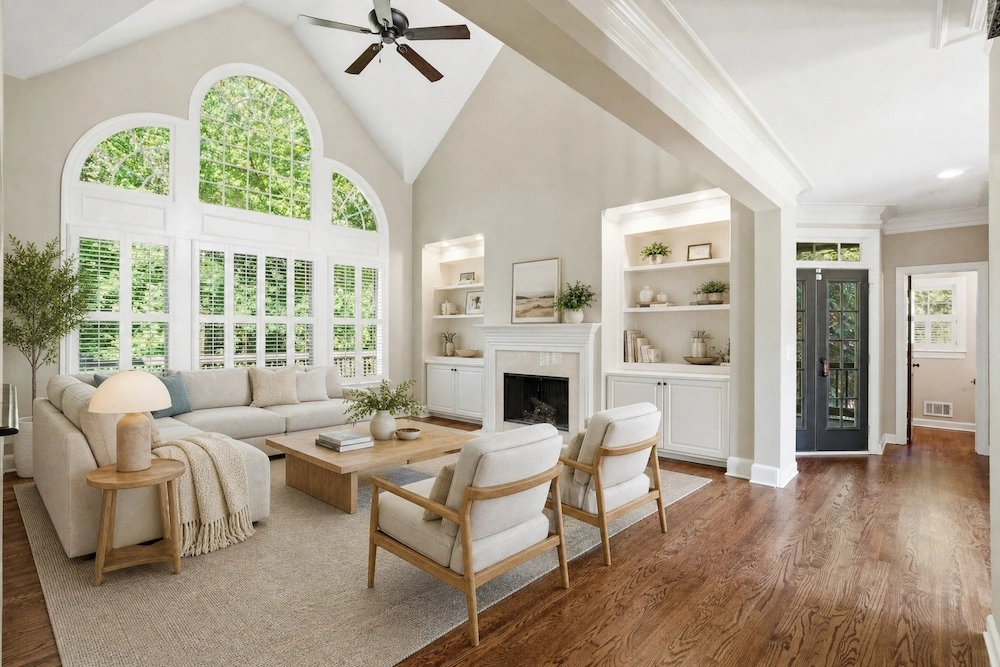
Empty rooms are hard to read in photos. Buyers struggle to judge size, and a bare room can feel cold. Staging solves both: a bed or sofa gives scale, and a style gives the listing a mood. Choose one style for the whole listing, so the rooms look like one home.
When to show it empty
- The space is the selling point, like a loft or an open-plan floor.
- Buyers will renovate anyway, and want to see the bones of the room.
- The room is small and simple, like a hallway or utility room, where furniture adds nothing.
- Commercial or rental listings where tenants bring their own furniture, unless you label staging clearly.
Present edited photos honestly
Decluttering and staging change what's in the room, so treat them as visualizations. Label them where your portal or MLS asks, and keep the original photo in the listing, ideally right next to the edited one. Some rules require exactly that; see the rules for edited and virtually staged listing photos. Never use staging to hide damage or change permanent features.
Each photo uses 1 credit and includes 9 free re-renders, whether you declutter, stage or both. Photographers can offer these as add-ons; see the virtual staging add-on for photographers.
Frequently asked questions
Declutter when the seller's things hide the room, stage when an empty room is hard to read or feels small, and use subtle staging when the furniture is fine but the room looks lived-in.
Staged rooms are easier to read and show scale, especially bedrooms and living rooms. Show a room empty when the space itself is the selling point or buyers will renovate anyway.
Usually not. Buyers want to see the real cabinets, fixtures and finishes, so clear the counters and show them as they are.
Yes. Decluttering removes everything by default, and you can add an instruction to keep items such as the TV or the rug.
Label them wherever your portal, MLS or local rules ask, and keep the original photo in the listing. Some rules require the original right next to the staged one.