On this page
The screen is the new front door. Today's home search starts with a scroll, shaped by the "HGTV effect": 48% of buyers expect television-quality standards in every listing. If you don't close this expectation gap, interest can fade before a buyer ever sets foot in the property.
What is virtual staging?
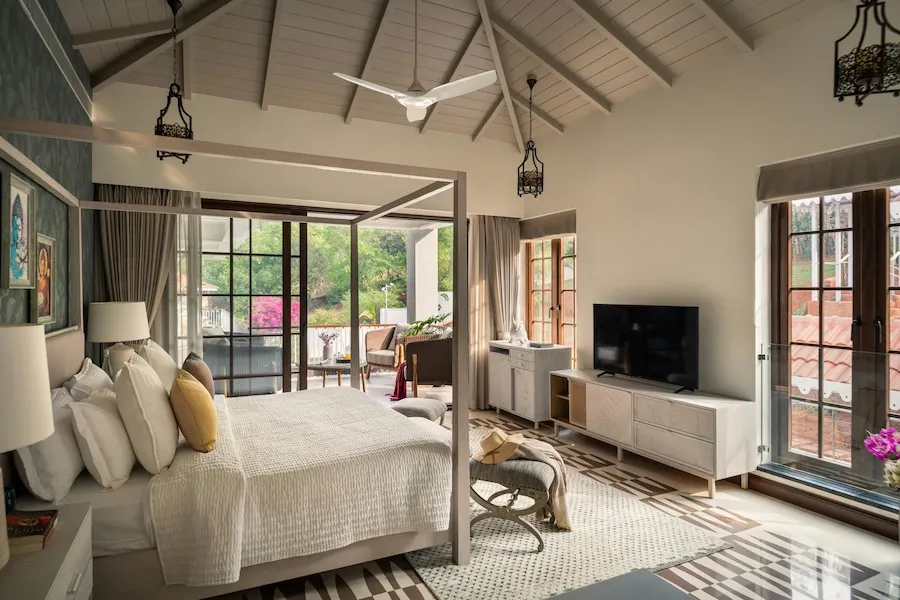
At its core, virtual staging is a form of digital interior design. It uses 3D modeling and AI to turn empty or cluttered rooms into furnished, move-in-ready spaces, without the physical effort and cost of traditional staging.
The ROI of virtual staging vs traditional staging
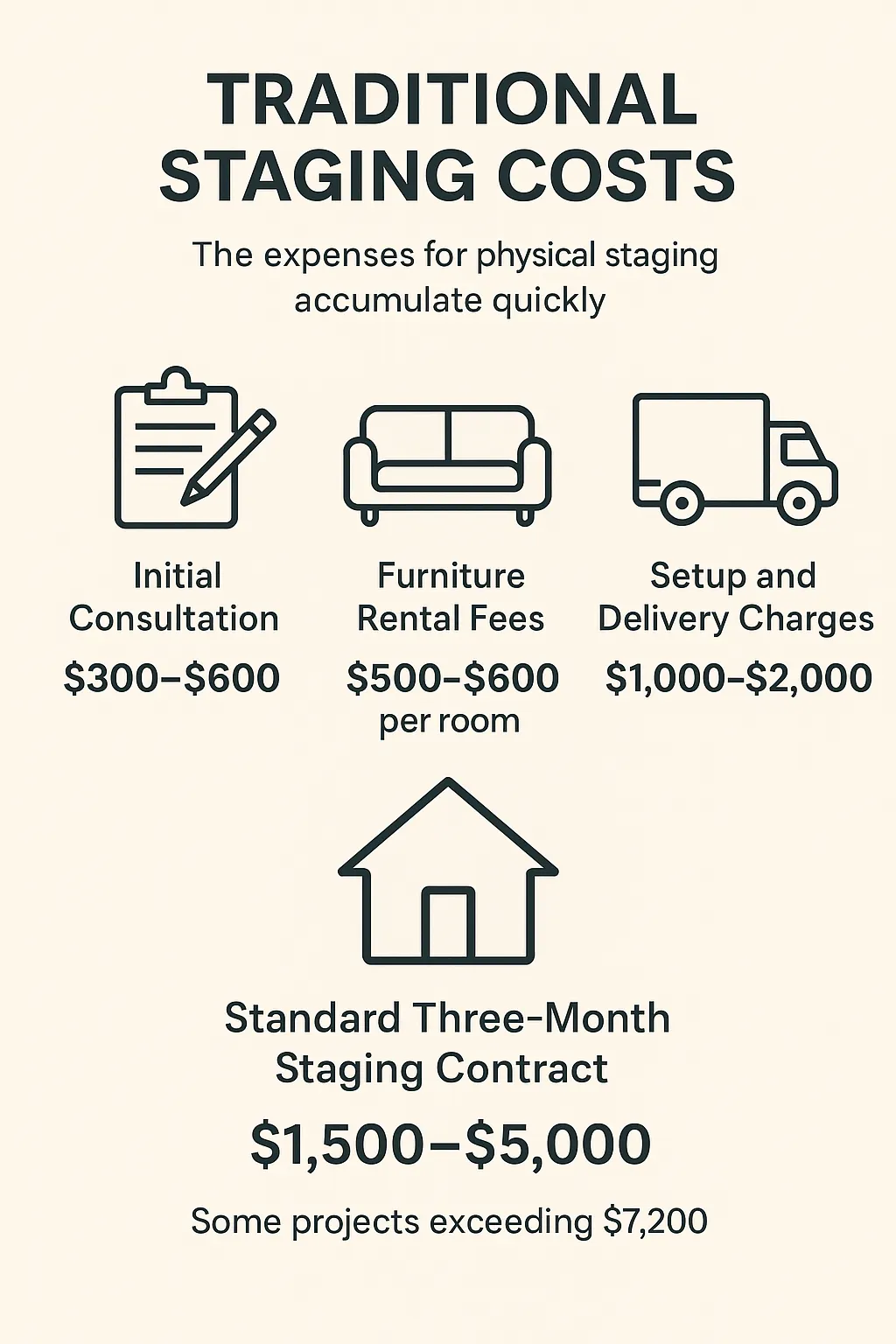
The financial case is clear. Virtual staging is consistently 90% to 97% cheaper than traditional methods. For a full breakdown, see how much it costs to virtually stage a house.
Winning the click
Staging closes the "visualization gap" that stops nearly half of all buyers from picturing a life between bare walls. The impact on online performance is measurable: staged listings get 40% more views and generate 74% more interest from serious buyers.
How AI virtual staging changed the process
Generative AI has turned staging from a manual service into an instant platform. AI can now render photorealistic furnished images in 15 to 30 seconds. Beyond furniture, tools now include AI virtual renovation and conversational AI editing, so agents can direct complex visual changes with simple text commands.
With Stager AI, virtual staging takes about 10–20 seconds per photo, and virtual renovation lets you show a dated room with new finishes.
The trust imperative
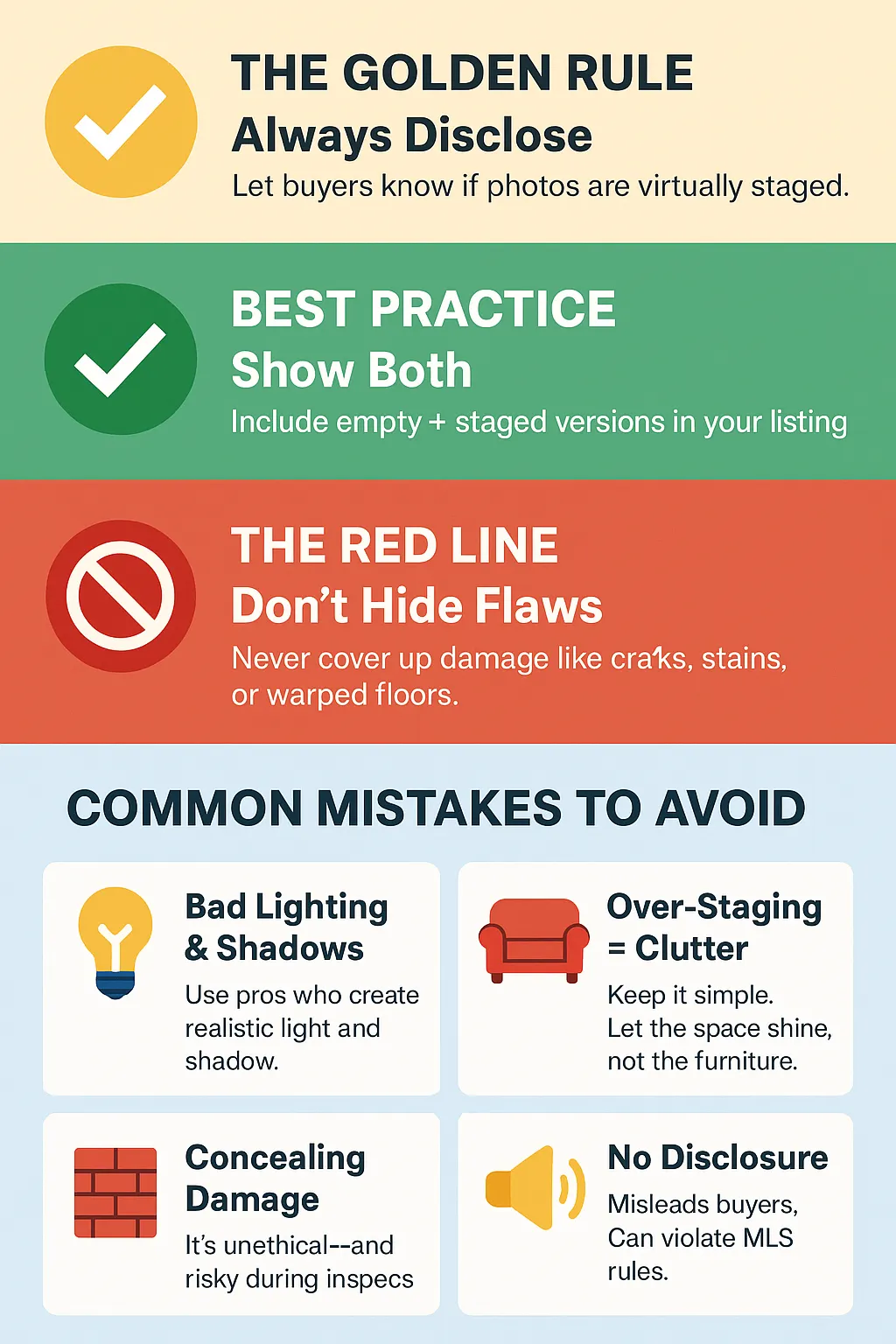
Keeping buyers' trust comes first. Staging should be about transparency, not deception.
Conclusion: staging smarter
Virtual staging is no longer a novel add-on. It is the visual cornerstone of modern real estate marketing. By solving the "empty room problem", agents work smarter, reach more buyers and get better results, faster.
Frequently asked questions
Virtual staging is a form of digital interior design. It uses 3D modeling and AI to turn empty or cluttered rooms into furnished, move-in-ready spaces, without the physical effort and cost of traditional staging.
Virtual staging is consistently 90% to 97% cheaper: $290–$350 for a full home vs. $1,500–$7,200 for physical furniture rental.
Yes. Staged listings get 40% more views and generate 74% more interest from serious buyers. Virtually staged homes spend an average of 24 days on market vs. 90 for vacant ones.
AI can render photorealistic furnished images in 15 to 30 seconds, compared to 12–48 hours for traditional virtual staging services.