On this page
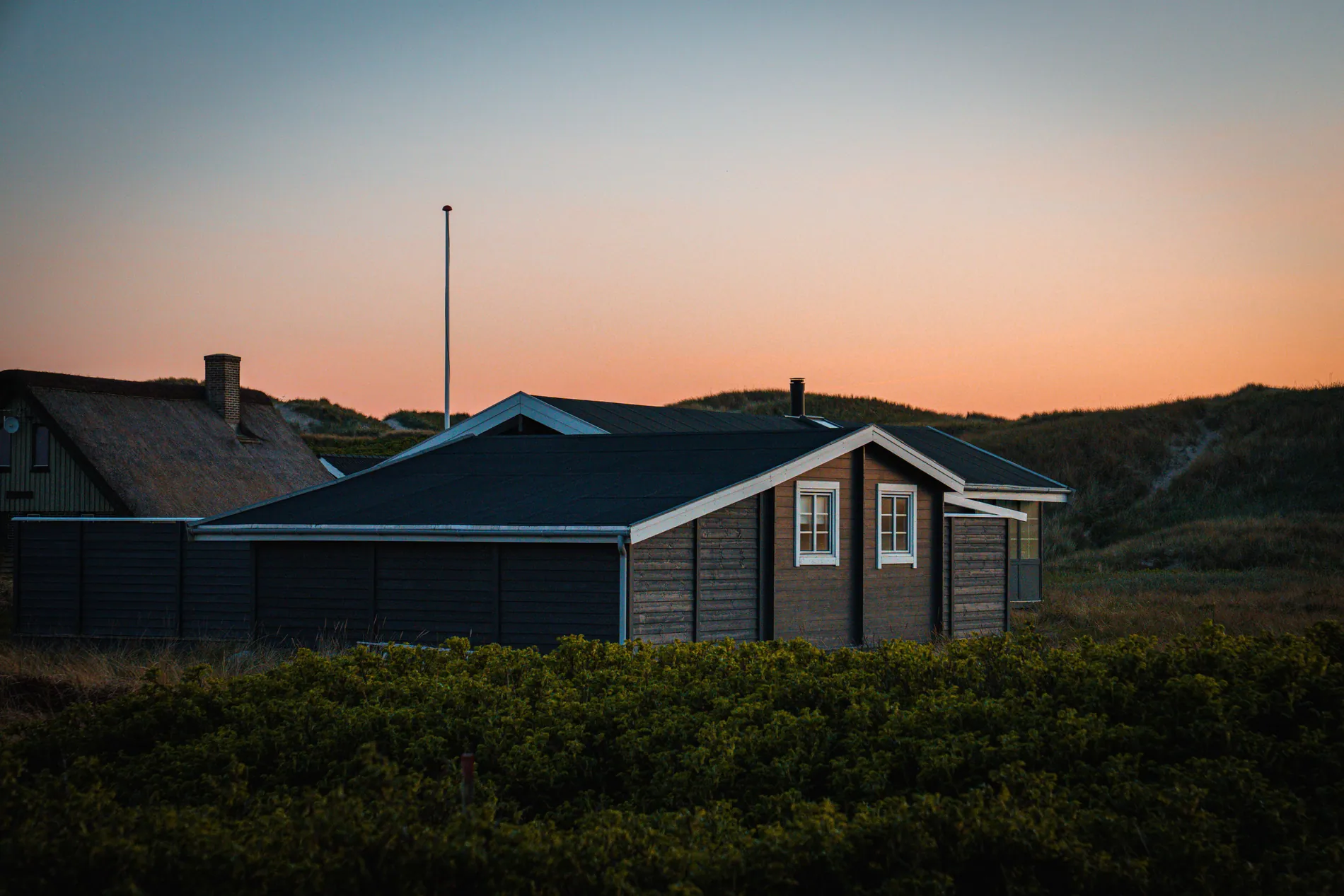
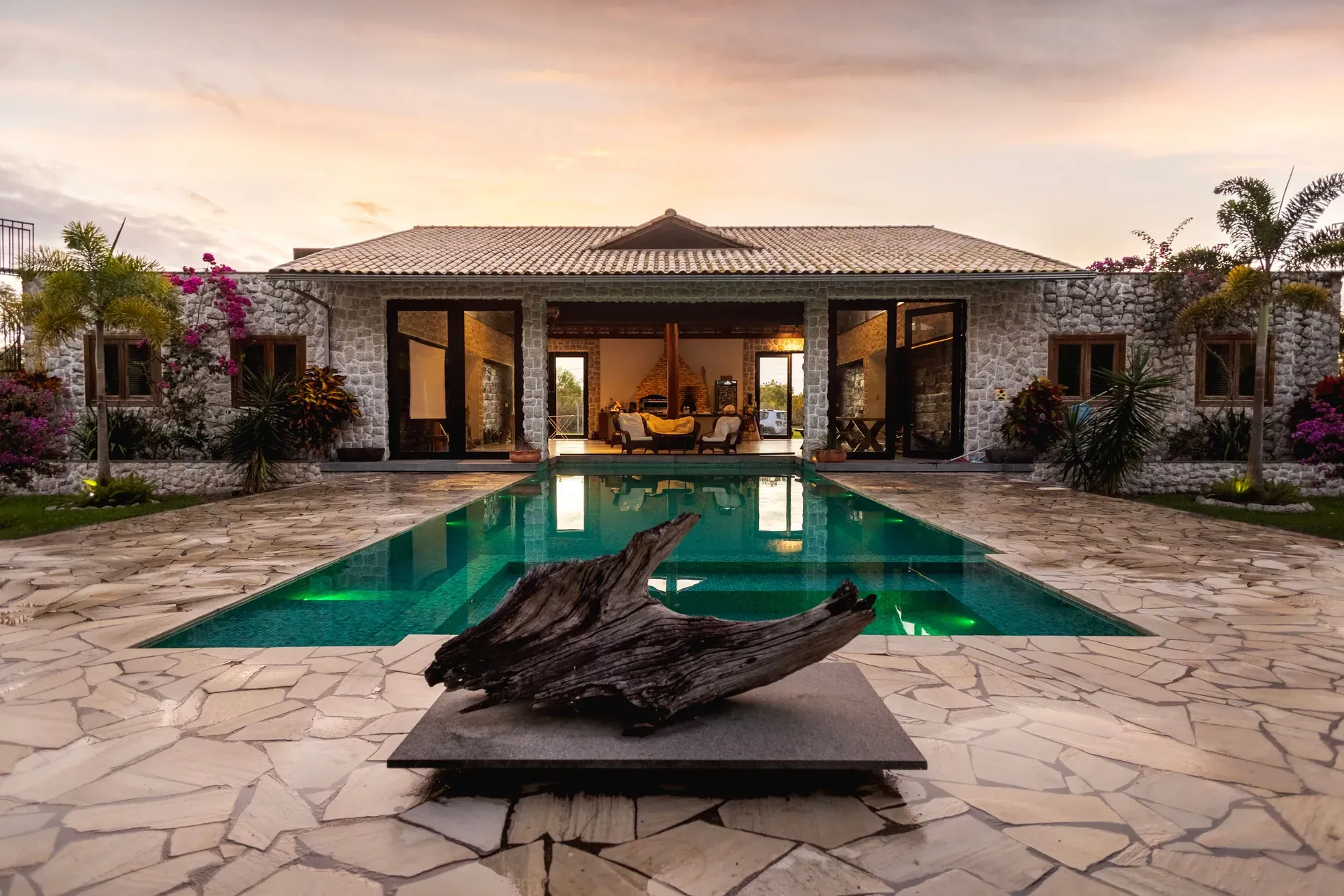
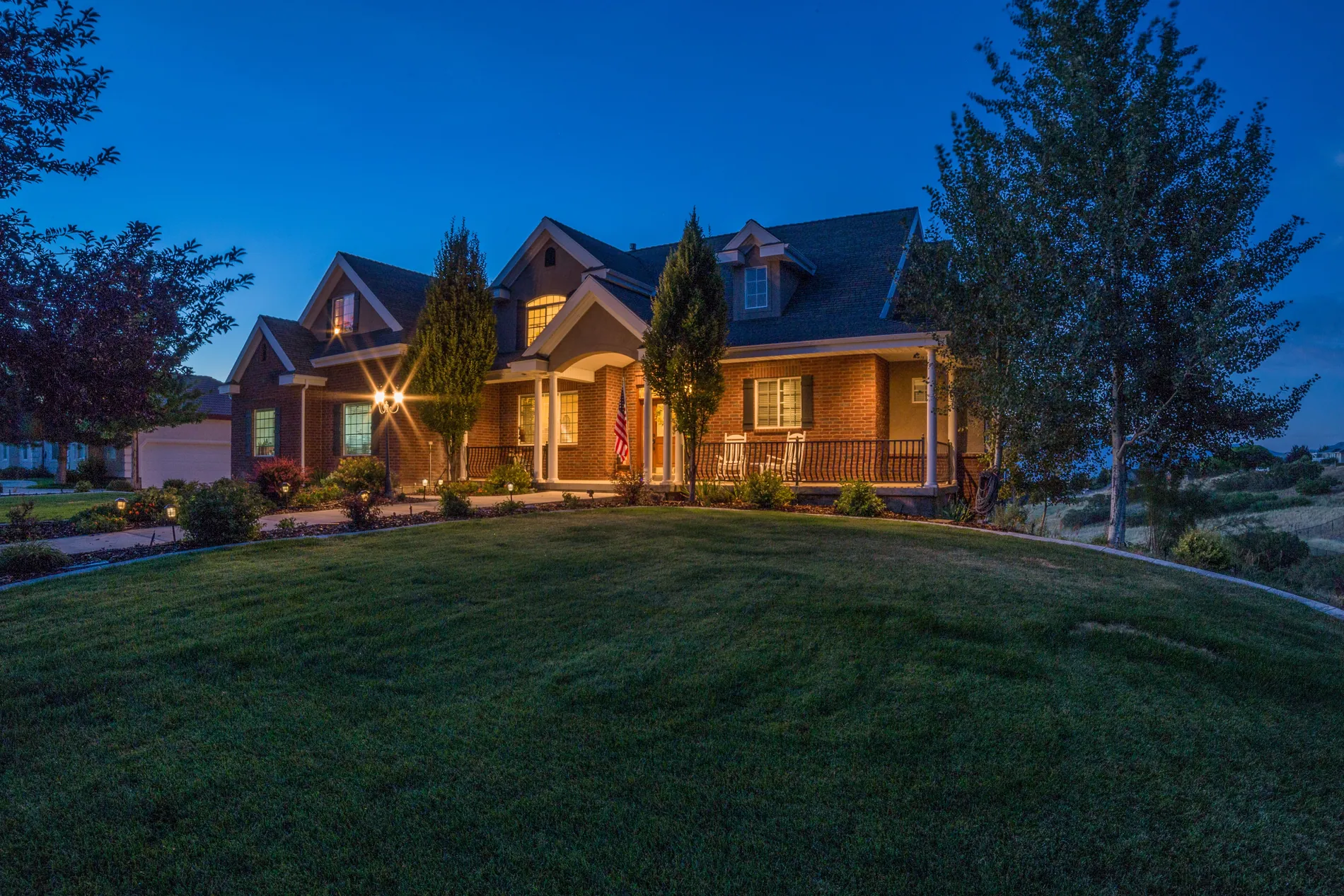
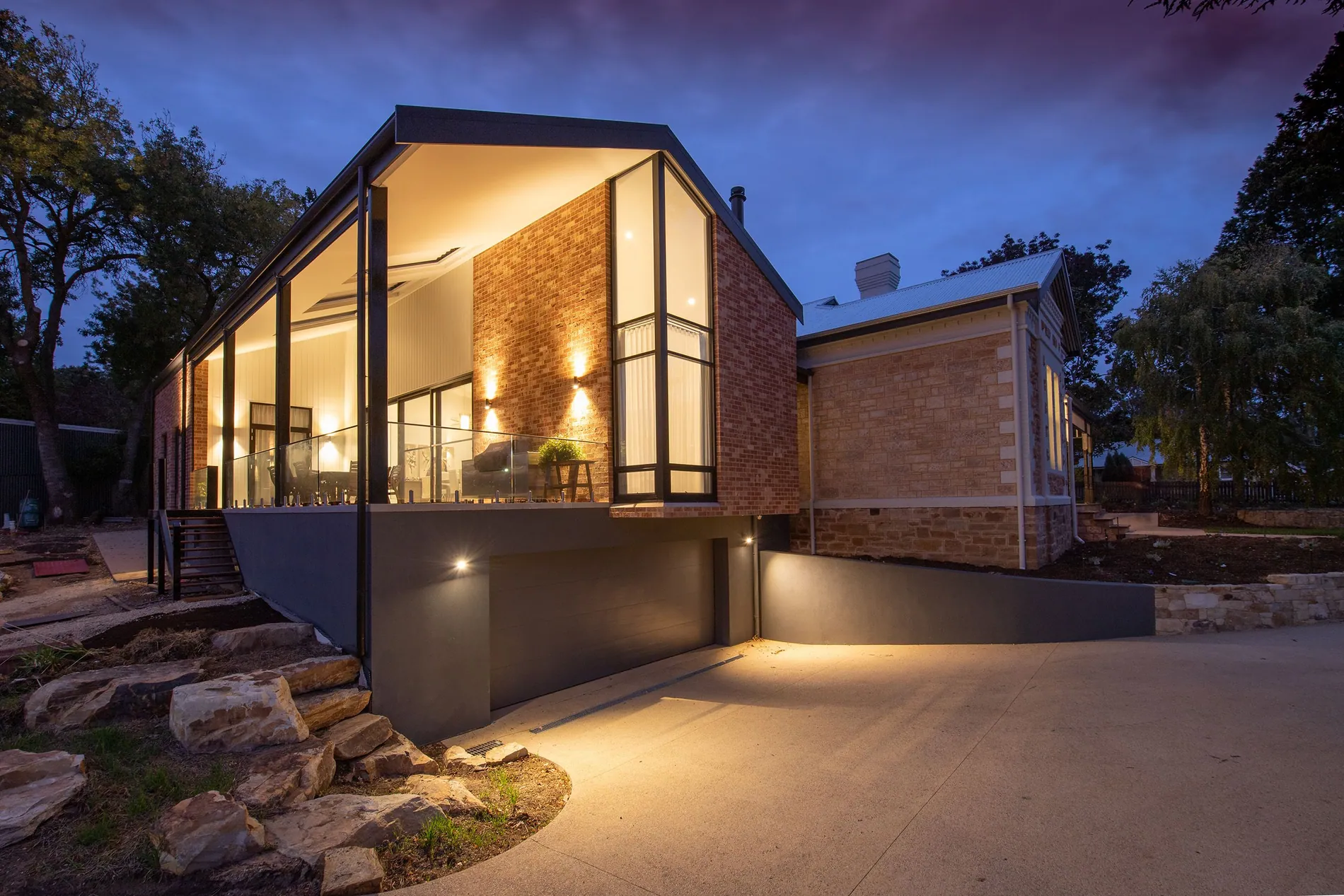
Blue hour real estate photography is the real version of the twilight shot: you photograph the house in the short window after sunset, when the sky turns deep blue and the lights inside and outside the home are about as bright as the sky. Done well, it's often the strongest cover photo in the gallery.
This guide explains when blue hour happens, how to shoot it, how it compares with virtual twilight, and how to edit the brackets. It also covers something photographers in the north know well: in winter, blue hour moves to the middle of the afternoon.
What blue hour is and why it works for listings
After the sun sets, the sky keeps glowing for a while. As it fades, it turns a deep, even blue. For a short time, that sky is about as bright as the lights of the house. That balance is what makes blue hour so useful: windows glow, outdoor lights show the shape of the garden and paths, and the sky still has color instead of going black.
When blue hour happens
Blue hour starts around sunset and lasts until the sky is fully dark. Near the equator it's short, sometimes 20 minutes. The further from the equator, the more slowly the sun sets and the longer blue hour lasts.
| Where and when | What to expect |
|---|---|
| Southern Europe, most of the year | A short window, roughly 20 to 30 minutes after sunset. |
| Nordics in winter | Sunset around 3 pm and a longer, slower blue hour, often close to an hour. |
| Nordics in midsummer | The sky barely gets dark at all, so a true blue hour may not happen. |
The Nordic winter advantage
In southern Europe, a twilight shoot means a second trip in the evening. In Oslo or Stockholm in December, the sun sets around 3 pm. Blue hour falls in the middle of the afternoon, inside a normal working day, and lasts long enough to shoot the front, the garden and a terrace. That makes it easy to book the exterior of your last shoot of the day into exactly that slot. Our real estate photography in winter guide covers how to plan the rest of the day.
How to shoot a blue hour exterior
- 1Arrive before sunset. Pick the angle, level the tripod and frame while you can still see.
- 2Turn every light on, inside and out: rooms facing the camera, porch and wall lights, garden and path lights. Open curtains in the rooms you want to glow.
- 3Bracket through the whole window. Shoot the same frame every few minutes. The best balance between sky and house lights often comes later than you'd expect.
- 4Move to a second angle once you have the main shot, if the light lasts.
For more on framing exteriors, see our real estate exterior photography tips. For the technical side of shooting in the dark, see the low light real estate photography guide.
Real blue hour vs virtual twilight
You don't always need to be there at dusk. Day to dusk in Stager AI turns a daytime exterior into a twilight photo, which is the right choice when a second visit doesn't make sense. Our guide to virtual twilight as an add-on covers how photographers sell it.
| Real blue hour shoot | Virtual twilight (day to dusk) | |
|---|---|---|
| When you shoot | At blue hour | Any time in daylight |
| What you edit | Brackets shot in the dark | One daytime exterior |
| Best for | Shoots that already happen at dusk, or the Nordic winter afternoon | Daytime shoots where the agent wants a twilight cover |
| Stager AI tool | Stager Twilight editing style in Auto HDR | Day to dusk |
How to edit blue hour brackets
Blue hour brackets need a different edit from daylight ones. A standard HDR edit tries to brighten everything, which washes the blue out of the sky and flattens the glow of the windows. What you want is the opposite: keep the sky a deep blue, keep the lights warm, and hold detail in the shadows without making them look like day.
Stager Twilight is the editing style in Stager AI Auto HDR that we built for this. Pick it before you start the edit, and the whole shoot, exteriors and the interiors shot after dark, comes back in that twilight look in about 1–5 minutes. Read the introduction to Stager Twilight to see how it works.
Frequently asked questions
Blue hour starts just after sunset and lasts until the sky is fully dark: roughly 20 to 30 minutes in southern Europe and often close to an hour in the Nordic winter.
In Oslo or Stockholm in December, the sun sets around 3 pm, so blue hour falls around 3 to 4 pm, inside a normal working day.
No. Day to dusk turns a daytime exterior into a twilight photo. A real blue hour shoot makes sense when you're already on site at dusk.
Keep the sky a deep blue and the lights warm instead of brightening everything to daylight. Stager Twilight is an Auto HDR editing style built for this.