On this page
Real estate photography in winter is a different job in the north. Around the winter solstice, the sun is up for about six hours in Oslo, Stockholm and Helsinki, and around four in Reykjavik. North of the Arctic Circle, in Tromsø, it doesn't rise at all for weeks. The market doesn't stop, though. Homes still come on the market in November, December and January, and agents still want them online this week.
This guide is for real estate photographers and media companies who work through the dark season. It covers how to plan the day around the light you have, what to shoot when, and how to edit photos that were taken in the dark so they look intentional, not underexposed.
Plan the day around the light you have
In summer, the order of shoots barely matters. In winter, it decides how the gallery looks. A simple rule: the hours of real daylight go to the exteriors that need them, and everything else fits around them.
| Time of day | What to shoot |
|---|---|
| Before sunrise | Interiors. Turn every light on and shoot rooms that don't depend on a window view. |
| Daylight hours | Exteriors, garden views and rooms with an important view out of the window. |
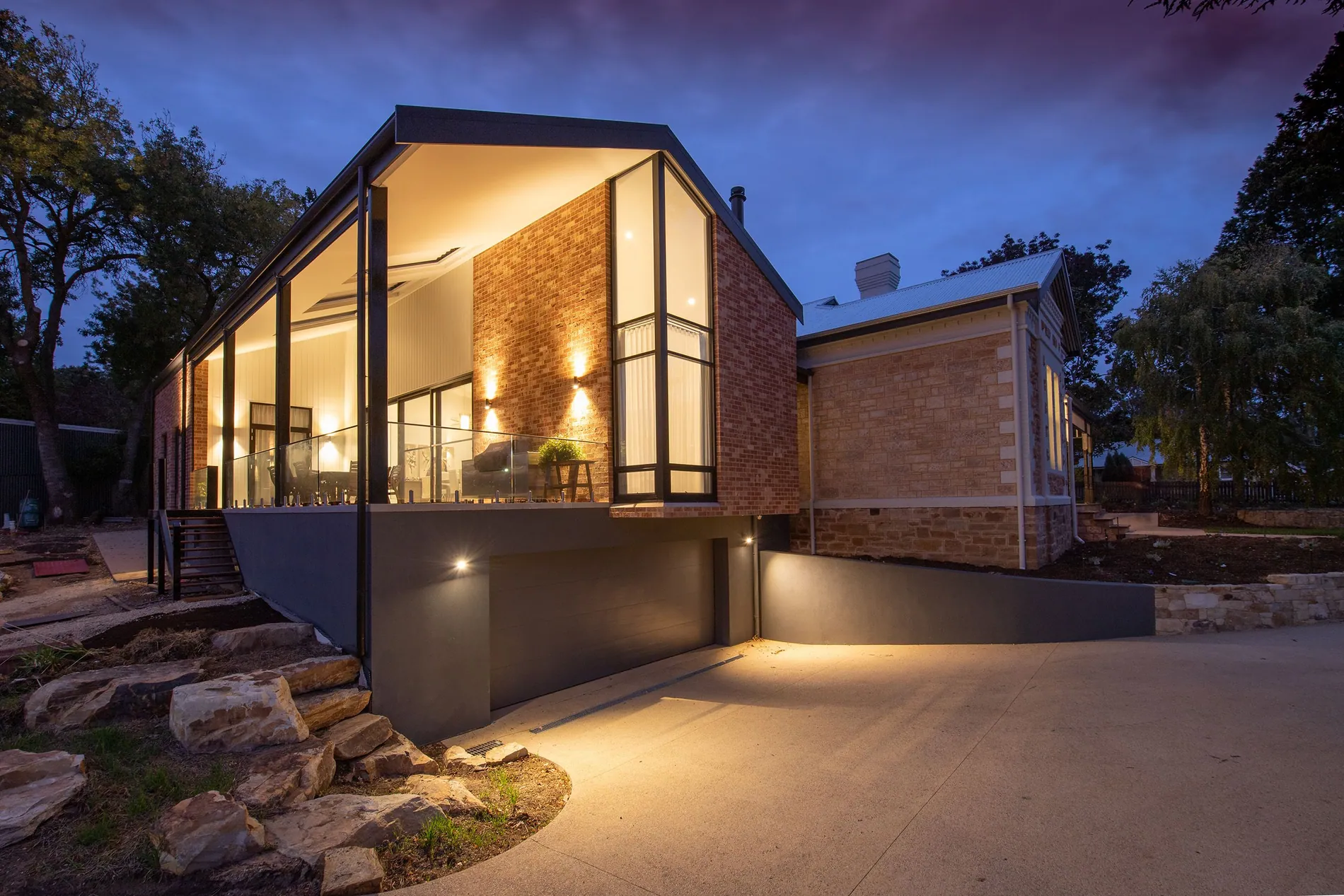
| Blue hour, after sunset | Twilight exteriors, while the sky is still blue and the house lights stand out. |
| After dark | Interiors, styled as an evening at home: lamps on, curtains open or half drawn. |
Talk to the agent before you book. If the listing's selling point is the view or the garden, that shoot needs a daylight slot. If it's a city apartment, an evening shoot can work very well.
Treat darkness as a look, not a problem
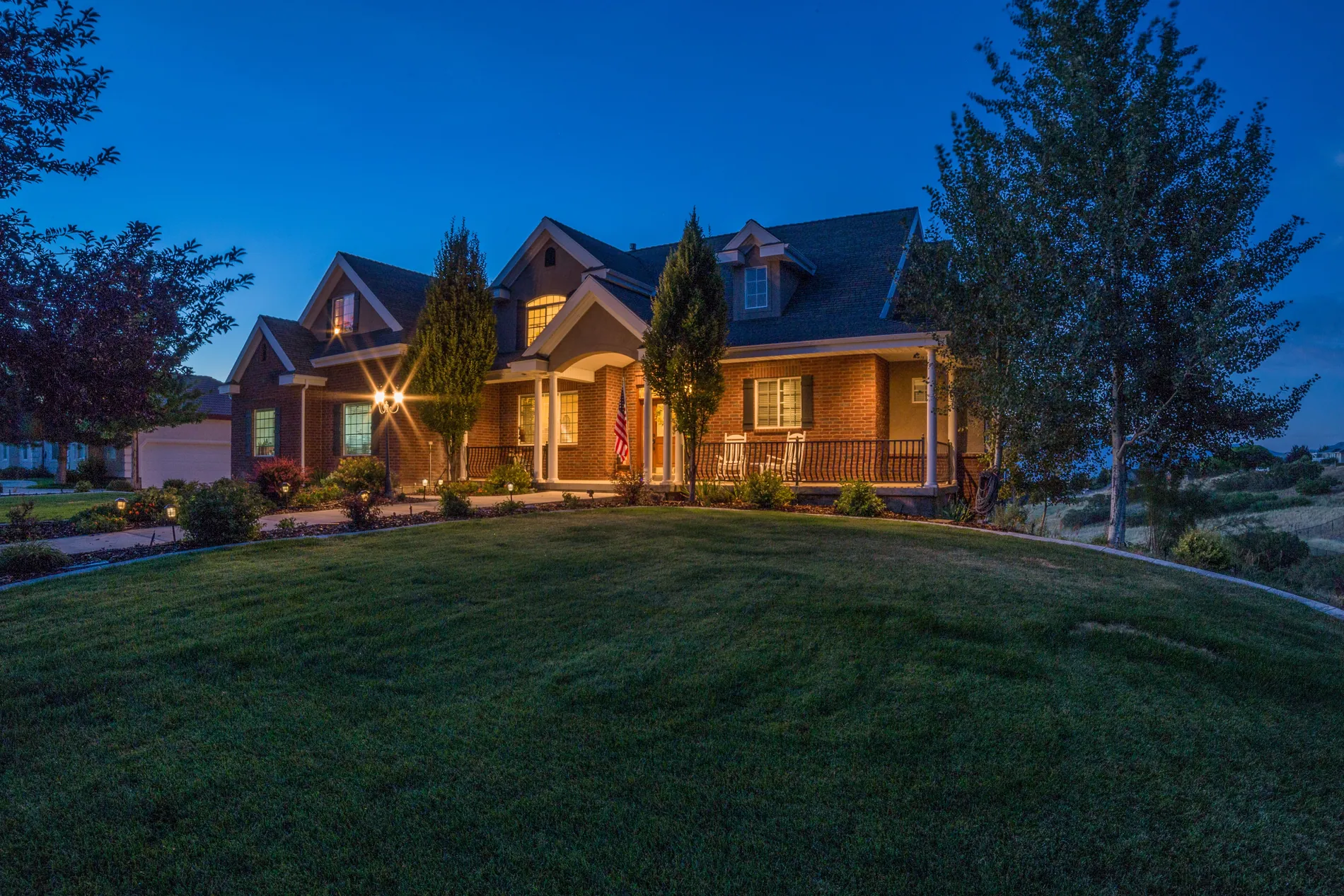
The biggest shift is mental. A photo taken at 4 pm in December is not a failed daylight photo. Buyers in the north know what winter looks like, and a home glowing with warm light on a dark evening is exactly what they want to come back to.
- Every light on, including under-cabinet lights, outdoor wall lights and garden lights.
- Replace dead bulbs and match color temperatures where you can, so rooms don't mix cold and warm.
- Candles and a lit fireplace add warmth, but keep them subtle and safe.
- Window views turn into reflections after dark. Shoot those rooms in daylight, or frame around the window.
Shooting technique for short days
Low light changes the technical side too. Use a tripod for every shot, keep ISO low and let the exposures get longer. Bracket wider than you would in summer: the gap between a lamp and a dark corner is bigger, and the darkest bracket has to hold the brightest light. Our real estate bracketing guide and low light real estate photography guide go into the details.
Cold-weather practicalities
- Batteries drain fast in the cold. Carry spares in an inside pocket.
- Let the camera warm up slowly in its bag when you go inside, to avoid condensation on the lens.
- Snow and ice: ask the agent to clear paths, steps and the entrance. Footprints in fresh snow show up in every exterior.
- Wet floors and boots: bring shoe covers and a towel. Winter grit on a light floor is easy to miss on set and hard to unsee in the photo.
Snow, grey skies and exteriors
Fresh snow can make an exterior look beautiful, and it's honest about the season. Grey slush and bare trees are harder. If the house looks better in a different season, many agents reuse a summer exterior from a previous listing, labeled with the season it was taken. If you have to shoot in flat light, a real estate sky replacement can lift a grey sky, but don't use it to suggest a different season than the one in the rest of the photo.
Editing dark-season photos
Editing is where most winter galleries go wrong. A standard HDR edit tries to make every photo look like a bright summer day. On brackets shot after dark, that produces grey skies, flat shadows and noise. The photos end up looking neither like day nor like night.
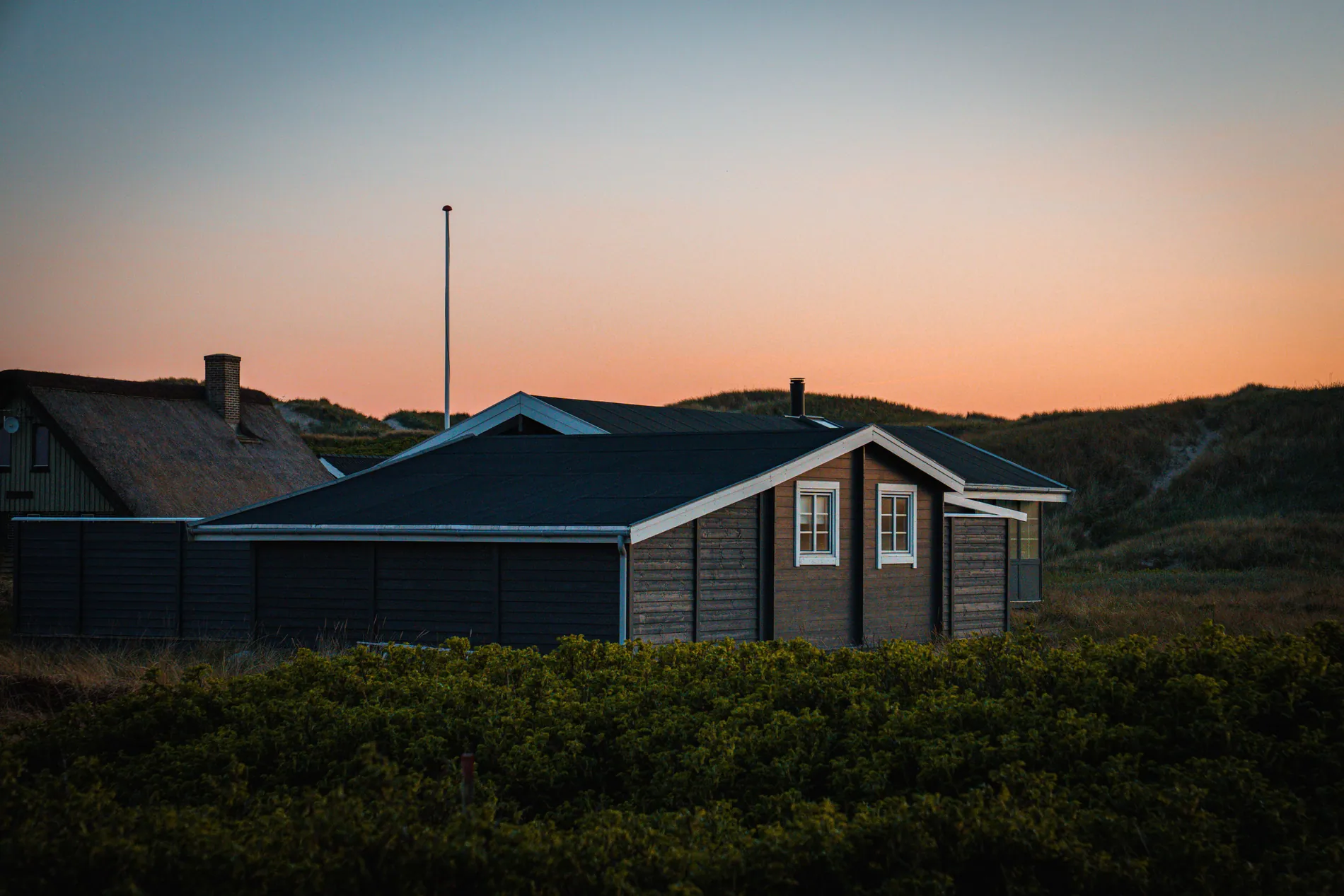
The better approach is to edit dark shoots as twilight on purpose. That's why we built Stager Twilight, an Auto HDR editing style for brackets shot in low light or after dark. It edits the whole shoot, interiors and exteriors, into a deep blue sky with warm light inside. Read the introduction to Stager Twilight for how it works.
For the shoots that did get daylight, keep your usual style. A gallery can mix both: daylight exteriors and a few evening interiors tell the story of a home through the day.
Frequently asked questions
Around the winter solstice, about six hours in Oslo, Stockholm and Helsinki and around four in Reykjavik. In Tromsø, north of the Arctic Circle, the sun doesn't rise for weeks.
Exteriors, garden views and rooms with an important view out of the window. Interiors can be shot before sunrise or after dark with every light on.
Edit them as twilight on purpose instead of forcing them into daylight. Stager Twilight is an Auto HDR editing style built for brackets shot in low light or after dark.
Many agents reuse a summer exterior from a previous listing, labeled with the season it was taken. Don't edit a winter photo to suggest a different season.